Seldom do construction jobs call for the same set of equipment. Large excavation sites, commercial buildings, residential developments, and highway projects might all have very distinct ground conditions, workloads, access restrictions, and material handling needs. While avoiding contractors from purchasing equipment that is needlessly huge, costly, or difficult to use, choosing gear based on the actual task required may increase productivity.
Contractors may assess what each stage of a project requires rather than selecting equipment only because it is often seen on construction sites. As a result, the fleet of equipment is better suited to actual working conditions.
Earthmoving Projects Require Stability And Power
Large amounts of dirt, rock, or other materials are often moved during excavation and site preparation. Large pits, drainage channels, trenches, and foundations are often dug with excavators. It is feasible to match digging capacity to the available workspace with different excavator sizes.
When big areas need to be graded, leveled, or removed, bulldozers come in handy. Their blades are designed to push large amounts of material, and their tracks may provide stability on difficult terrain.
Wheel loaders may also be useful for projects that require moving loose material frequently. They might gather rubble, gravel, sand, or dirt and move it into trucks or other parts of the site.
More Flexibility Is Needed In Residential Construction
A distinct problem is often presented by housing developments. It may be necessary for machines to work between utility connections, existing structures, boundary lines, and restricted access sites. Compact equipment may sometimes be more useful than full-sized apparatus in certain circumstances.
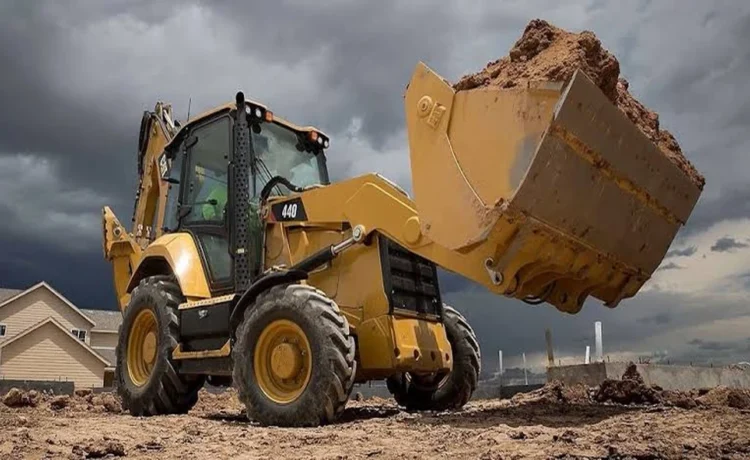
Mini excavators may be used for tasks including drainage installation, utility trenching, modest foundation construction, and landscape preparation. With the right attachments, skid steer loaders can do several jobs, saving contractors from having to transport a large number of specialized machines into a small site.
When choosing equipment for limited residential projects, contractors may examine machine size, operating capabilities, attachment compatibility, and other requirements by working with a competent construction equipment dealer.
Road Construction Requires Specialized Equipment
There are several steps involved in creating a road, and different equipment may be needed for each. While motor graders are often employed to create a controlled and uniform surface, excavators and loaders may assist with initial clearance and material handling.
Another crucial step is compaction. In order for the final surface to endure traffic and environmental factors, rollers aid in compressing dirt, aggregate, and asphalt. When constructing road surfaces effectively over greater distances, asphalt pavers are used.
The size of the road project should also be reflected in the equipment selection. The manufacturing capacity needed for a large highway construction may not be provided by equipment appropriate for fixing a neighborhood street.
Commercial Projects Give Lifting More Attention
Equipment that can move goods both horizontally and vertically is often needed for large commercial structures. Steel parts, building supplies, and other large objects may be lifted by cranes to higher working locations.
Another way to manage items around business premises is using telehandlers. They are helpful in situations where conventional forklifts can have restricted reach because of their extended booms, which enable cargo to be positioned at various heights and distances.
When selecting lifting equipment, contractors should take maximum lifting capacity, working height, site layout, and ground stability into account. While choosing too little capacity might result in delays or operational restrictions, choosing too much capacity can raise expenses.
Demolition Needs Robust Equipment
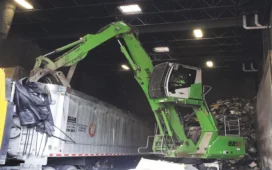
Equipment requirements for demolition are significantly different from those for new construction. Throughout the working day, machines may come into contact with steel, concrete, masonry, dust, and unstable debris.
Multiple demolition tasks may be completed by excavators that are fitted with breakers, crushers, pulverizers, or grapples. Because machinery might be subjected to increased wear due to difficult working conditions and falling material, equipment protection is particularly crucial.
The choice of machine should be influenced by the structure’s height and size. Larger structures may need specialized high-reach demolition equipment, whereas smaller buildings could merely need compact equipment.
Align The Work With The Machine
The selection of equipment should start with the task rather than the machine itself since heavy gear is an expensive investment. Before evaluating choices, contractors may evaluate the necessary capacity, topography, available space, project length, material type, and anticipated operation hours.
Smoother workflows in excavation, residential building, road construction, commercial development, and demolition may be supported by a well-chosen fleet. Contractors are better positioned to manage operating costs, sustain productivity, and keep projects running smoothly from site preparation to completion when gear is matched to its intended job.