When budgets are tight and timelines are non-negotiable, surplus steel pipes can make the difference between a project that soars and one that stalls. Few materials offer the unique blend of strength, adaptability, and value found in surplus steel pipes, yet their advantages are often overlooked in favor of brand-new stock or alternative materials. For forward-thinking project managers and engineers, surplus inventory can provide the edge needed to succeed.
The Value Proposition of Surplus Steel Pipes
Sourcing steel pipes for an industrial project can feel like walking a tightrope between quality and cost. Surplus steel pipes tilt the balance in your favor. Why pay a premium for materials when surplus options deliver comparable , sometimes even identical , performance at a fraction of the cost?
Cost Efficiency Compared to New Steel Pipes
New steel pipes carry price tags that reflect both raw material and manufacturing costs, not to mention supply chain markups. Surplus steel pipes, by contrast, are often available at discounts of 20% to 50% or more, depending on market cycles and availability. This direct cost reduction frees up budget for other critical project elements, whether labor, specialized equipment, or contingency reserves.
Availability and Variety in Surplus Inventory
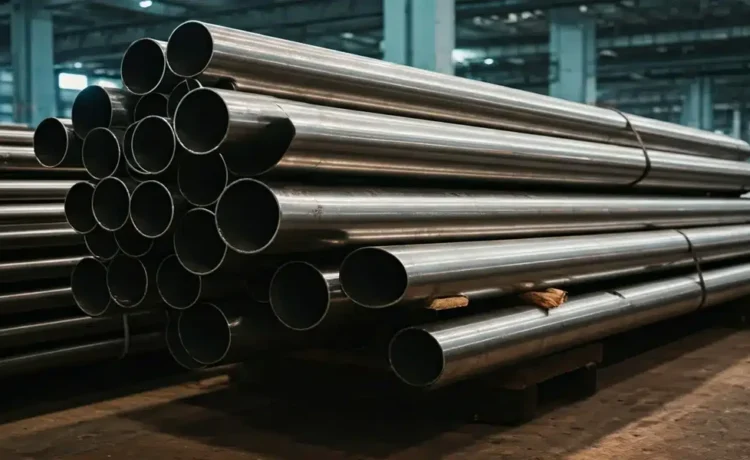
Industrial projects rarely follow a one-size-fits-all blueprint. The beauty of surplus pipe suppliers lies in inventory diversity. Surplus stock often features a wide range of diameters, wall thicknesses, and grades, including hard-to-find or discontinued specifications. This means you can match existing infrastructure or meet specialized needs without waiting weeks for custom orders.
Quality Assurance and Standards in Surplus Materials
It is a misconception that surplus means subpar. Reputable suppliers rigorously inspect their surplus inventory, checking for structural integrity and compliance with industry standards. Many surplus pipes originally met or exceeded ASTM or CSA requirements, and some suppliers offer certification upon request.
Comparing Surplus Steel Pipes to Other Material Options
Choosing between surplus and new steel pipes, or considering alternatives like PVC or aluminum, comes down to performance, cost, and suitability for the application.
New Steel Pipes: Benefits and Drawbacks
While new steel pipes ensure absolute traceability and guaranteed certification, they come at a steep price and often require longer lead times. For many applications, especially where regulatory requirements are strict, new steel may be justified. For most other industrial projects, surplus pipes can deliver equivalent performance without the premium cost.
Alternative Materials and Their Limitations
Materials like PVC, aluminum, or composite pipes offer benefits such as corrosion resistance or lighter weight. However, these advantages are often offset by lower load-bearing capacity, limited high-pressure performance, and vulnerability to impact damage. Steel remains unrivaled for structural applications, and surplus options maintain that edge.
Suitability for Different Industrial Applications
Surplus steel pipes perform reliably in foundation work, drainage systems, fencing, and even creative repurposing in signage or art installations. Their versatility is why many experienced project managers keep a preferred surplus supplier on speed dial.
Practical Advantages in Project Execution
Every hour saved in procurement and fabrication translates to lower costs and faster project delivery. Surplus suppliers simplify this process by offering one-stop shopping for a host of materials and services.
Streamlined Procurement Through Single-Source Surplus Suppliers
Multivendor sourcing creates unnecessary complexity. With a supplier like Stealth Pipe and Steel, buyers can access a vast inventory of surplus steel pipes and related products in one place, dramatically cutting down on administrative overhead and shipping logistics.
Customization and On-Demand Services
Surplus doesn’t mean take-it-or-leave-it. Many suppliers provide in-house services such as cutting, welding, threading, and end-plate attachment, allowing buyers to order precisely what the job demands.
Impact on Project Timelines and Budget Control
Reduced lead times and competitive pricing mean surplus steel pipes help maintain (or even accelerate) project schedules while keeping costs predictable. The bottom line? Fewer surprises and more control.
Case Studies: Surplus Steel Pipes in Action
Consider these common scenarios where surplus steel pipes have proven their worth:
– Foundation and Micropile Projects: Structural integrity is non-negotiable. Surplus pipes with documented quality prove ideal for micropile and piling work, providing reliable load-bearing support.
– Infrastructure Drainage Systems: Steel pipes offer unbeatable durability for municipal and commercial drainage, preventing collapse and failure where other materials fall short.
– Road Flooring and Tunnel Lining: When heavy equipment and continuous traffic are at stake, surplus steel plates and pipes deliver safety and longevity.
Sustainability and Environmental Considerations
Industrial sectors are under growing pressure to minimize environmental impact. Surplus steel pipes offer real sustainability benefits.
Reduced Waste Through Reuse of Surplus Pipes
By giving surplus pipes a second life, companies circumvent the energy-intensive process of manufacturing from scratch, reducing landfill waste and the extraction of virgin resources.
Environmental Impact Compared to Manufacturing New Pipes
Repurposing existing steel pipes slashes energy and emissions associated with new production, making surplus a logical choice for firms with green building targets.
Corporate Responsibility and Green Building Practices
Choosing surplus not only meets technical needs but signals commitment to responsible sourcing , a factor increasingly scrutinized by regulators and clients alike.
Challenges and Mitigation Strategies
Navigating surplus markets requires diligence.
– Material Integrity: Always demand documentation and inspection reports.
– Stock Variability: Work with suppliers who maintain robust inventory systems and clear communication on available sizes and grades.
– Supplier Relationship: Trust and experience matter. Longstanding suppliers bring consistency that new entrants cannot match.
How to Source Surplus Steel Pipes Effectively
The key to success? Do your homework.
– Evaluate Supplier Credibility: Look for established distributors with transparent inventory and a track record of quality.
– Understand Specifications: Request certifications and clarify all technical requirements upfront.
– Negotiate Pricing and Logistics: For bulk orders, discuss bundled shipping and custom services to maximize value.
Future Trends in Surplus Steel Pipe Usage
Demand for surplus steel pipes is set to rise as industries focus on cost control and sustainability. Advances in non-destructive testing and digital inventory systems will further elevate confidence in surplus materials. The market is poised for growth, with innovative reuse applications and expanding supplier networks opening new possibilities for industrial buyers ready to think beyond the usual supply chain.