Getting your carpets cleaned sounds simple enough until you realize just how easy it is to ruin them. Put high-heat steam on natural wool, and you’ll end up with shrunken, discolored flooring. Use a spinning bonnet on looped Berber, and you risk pulling threads out of the backing. If you’re trying to figure out which process to book, here you can learn more about what actually matters on the ground.
Start With the Material, Not the Price Tag
By far the most common error that homeowners make when dealing with cleaning services is picking a method before knowing what kind of carpeting they actually have. With simple nylon and polyester carpets, you will be fine because these substances endure quite a lot of punishment and respond just fine to hot water extraction. Not so with wool, which simply cannot withstand any high heat or pH level, nor any water soaking for too long. It’s important to always look for the care label at the bottom of the carpet, under a rug in a corner, or inside a closet. If there is none, then ask your cleaner to do a small spot test first.
The Four Main Options (And When to Use Them)
- Hot Water Extraction (Steam Cleaning)
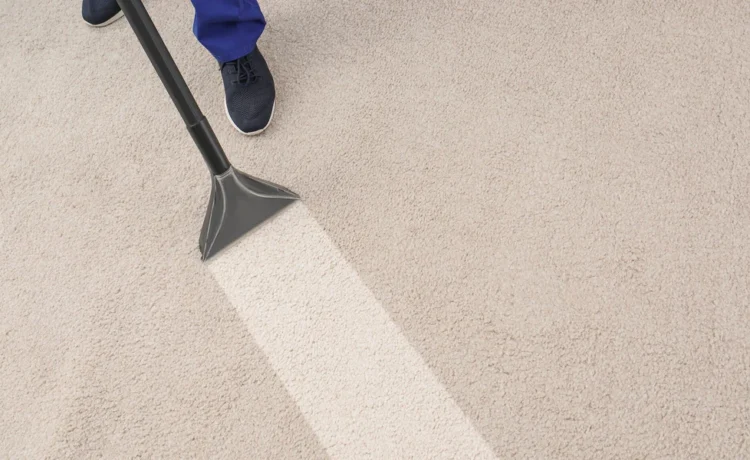
This is the heavy-duty option. The machine pushes hot water and cleaning agent deep into the pile, then pulls it back out along with all the gunk. It’s easily the best choice if you’re dealing with ground-in mud, heavy pet dander, or years of build-up. The downside? Your floors are going to stay damp for anywhere from 4 to 12 hours depending on humidity and airflow.
- Dry Compound Cleaning
As opposed to saturating the floor, this cleaning technique sprays micro-sponges or a special powder on the carpet, works them into the carpet fibers, and then vacuums them up. This type is most appropriate if you cannot afford to stay indoors for hours waiting for the floor to get dry or if you have moisture-sensitive carpets.
- Bonnet Cleaning
This is similar to polishing the floor. The cleaning is done using a rotating machine that polishes a pad on top of the carpet fibers. Businesses use this technique on a regular basis for instant clean-up, but at home, it will only work on the top quarter of the fibers.
- Foam Carpet Cleaning
The foam is brushed into the carpet to help digest the oils. The foam is left to dry out before being extracted or vacuumed. Although the foam will dry more quickly than hot water extraction, if not rinsed out properly, the residue left behind will attract dirt all the faster during the next few months.
Matching The Process To Your Home
When dealing with children bringing dirt in from the yard or even pets leaving their mark, you need a system that digests the salt crystals of the urine at the carpet backing layer with enzyme pre-treatments before extraction.
However, when simply preparing a guest room for weekend guests, the low moisture system will get the job done.
Some Questions worth Asking Before Paying
- Never allow an organization to offer you a one-size-fits-all deal without getting some basic questions answered beforehand:
- Do you provide a pre-treatment of high-traffic areas and pet spots as part of your services?
- How long can I expect it to take for these floors to fully dry?
- What precautions do you have in place to prevent a sticky build-up of detergent on my floor?
If the service in question insists on treating every single carpet in your house identically, find yourself a new cleaner.
Summary
The decision process becomes quite simple once you know how durable the fibers of your floor are and how long the drying process might take. If you wish to browse through a list of local companies or get a brief overview based on your personal requirements, visit Citrus Carpet Cleaners to learn more about how they operate.