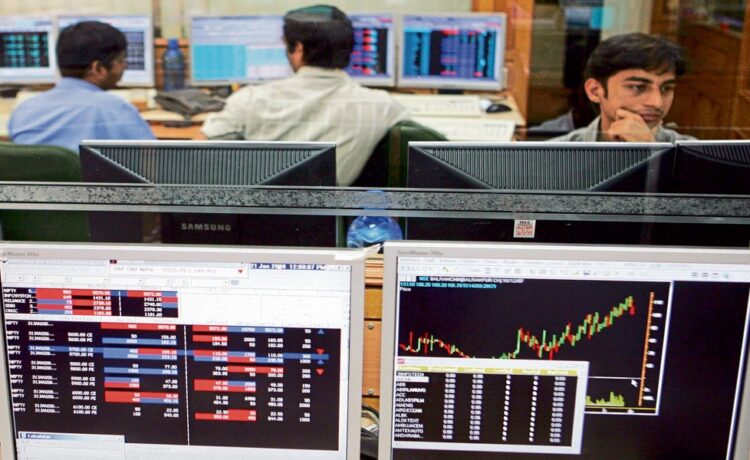
Global financial markets have become more connected than ever, allowing traders to access opportunities across multiple asset classes from virtually anywhere in the world. Contracts for Difference (CFDs) have emerged as a popular way to participate in these markets, offering exposure to currencies, commodities, indices, stocks, and other instruments without requiring ownership of the underlying assets. As the CFD industry continues to evolve, the role of major financial hubs has become increasingly important in shaping market access, liquidity, and trading efficiency.
Behind every successful trading ecosystem is a strong financial centre that supports the flow of capital, attracts industry expertise, and provides the infrastructure needed for market participants to operate effectively. Financial hubs serve as the backbone of global CFD trading by connecting brokers, institutions, technology providers, and traders within a well-regulated environment. Their influence extends far beyond local markets, helping facilitate international participation and improving overall market confidence.
How Financial Hubs Strengthen Market Connectivity
Financial hubs play a critical role in linking regional and international markets. Because global CFD trading often involves assets from multiple countries and time zones, traders benefit from centres that can efficiently bridge these markets and support continuous trading activity.
These hubs attract financial institutions, brokerage firms, liquidity providers, and fintech companies that collectively contribute to a more robust trading environment. The concentration of expertise and resources creates a network effect, where businesses and investors benefit from easier access to services, partnerships, and market intelligence.
In addition, financial centres often act as gateways between emerging and established markets. This positioning helps facilitate cross-border investment opportunities and allows traders to respond more effectively to economic developments occurring around the world. The result is a more connected trading ecosystem that supports greater participation and market efficiency.
The Role of Liquidity in CFD Markets
Liquidity is one of the most important factors influencing CFD trading performance. Highly liquid markets generally offer tighter spreads, faster order execution, and improved price stability. Financial hubs contribute significantly to liquidity by bringing together large numbers of market participants and institutions.
When brokers, banks, asset managers, and liquidity providers operate within the same ecosystem, market activity naturally increases. This concentration of participants creates deeper markets where buyers and sellers can transact more efficiently, reducing the likelihood of significant price disruptions during normal trading conditions.
Industry experts consistently recognise liquidity as a fundamental component of healthy financial markets. Financial hubs help maintain this liquidity by fostering environments where institutions can collaborate, compete, and innovate. For CFD traders, this often translates into a smoother trading experience and improved access to global markets.
Regulation and Market Confidence
Trust remains a cornerstone of financial market participation. Traders are more likely to engage with brokers and service providers operating within jurisdictions that prioritise transparency, accountability, and investor protection. Financial hubs often establish strong regulatory frameworks designed to support both innovation and market integrity.
Well-regulated environments help create confidence among retail and institutional participants alike. Regulatory oversight encourages responsible business practices, supports fair market operations, and helps reduce risks associated with misconduct or inadequate governance.
For example, many traders and financial firms are drawn to established regional centres that provide access to international markets while maintaining clear regulatory standards. The growing importance of financial districts such as ADSS Dubai reflects how modern financial hubs can combine strategic geographic positioning with advanced infrastructure and regulatory oversight to support global CFD trading activity.
Technology and Infrastructure as Competitive Advantages
Modern CFD trading relies heavily on technology. Fast execution speeds, reliable connectivity, advanced charting tools, and real-time market data have become essential components of successful trading operations. Financial hubs often invest heavily in technological infrastructure that supports these demands.
The presence of major financial institutions encourages continuous innovation, leading to improvements in trading platforms, cybersecurity measures, and data management systems. These advancements help create an environment where market participants can operate with greater efficiency and confidence.
Technology-driven ecosystems also encourage collaboration between financial firms and fintech companies. This relationship accelerates the development of new solutions that improve user experiences, streamline operations, and expand market accessibility. As a result, traders gain access to increasingly sophisticated tools that support informed decision-making.
Why Strategic Location Still Matters
Despite the rise of digital trading, physical location continues to play an important role in global finance. Financial hubs often occupy strategic positions that enable them to connect markets across different regions and trading sessions. This geographic advantage can enhance communication, facilitate business relationships, and support international market participation.
Many leading financial centres serve as bridges between East and West, allowing firms to engage with diverse investor communities and access multiple economic regions. This positioning strengthens their role in facilitating capital flows and promoting international financial cooperation.
Conclusion
Global CFD trading depends on more than market access alone. The strength of the financial hubs supporting these markets plays a significant role in determining liquidity, transparency, technological advancement, and overall trading efficiency. By bringing together institutions, expertise, and infrastructure, these centres help create environments where traders can participate with greater confidence.
As financial markets continue to evolve, the importance of well-established financial hubs is likely to grow. Their ability to foster innovation, maintain market integrity, and connect participants across borders will remain essential to the future of CFD trading.